7 lessons for fund managers raising capital in a selective market
Seven takeaways from fund managers actively raising capital in alternatives, including what LPs are prioritizing and where they see opportunity.
7 lessons for fund managers raising capital in a selective market
Seven takeaways from fund managers actively raising capital in alternatives, including what LPs are prioritizing and where they see opportunity.
Authors
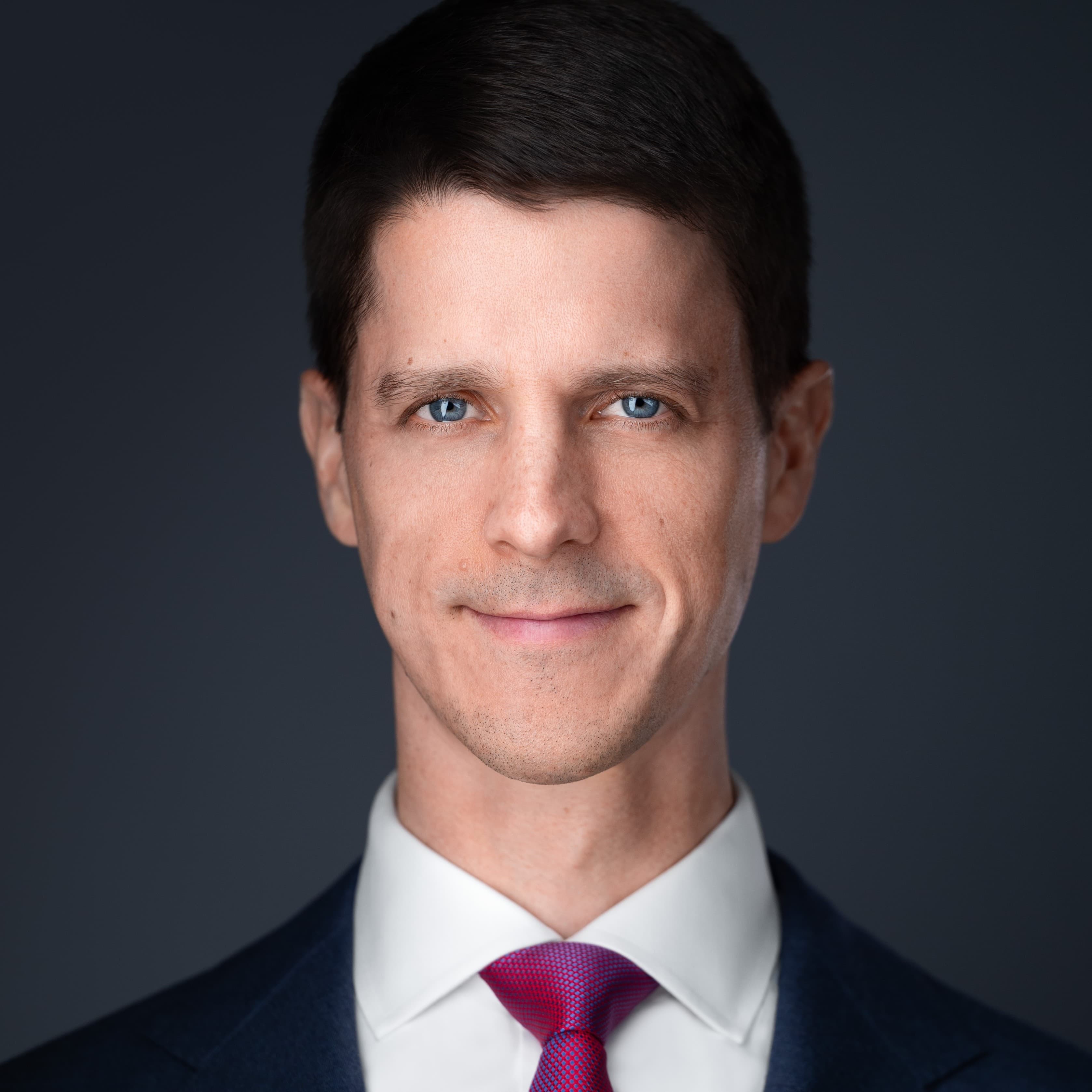
Kyle Mayes
Senior Managing Director - Fund Management, KACORE, Kayne Anderson
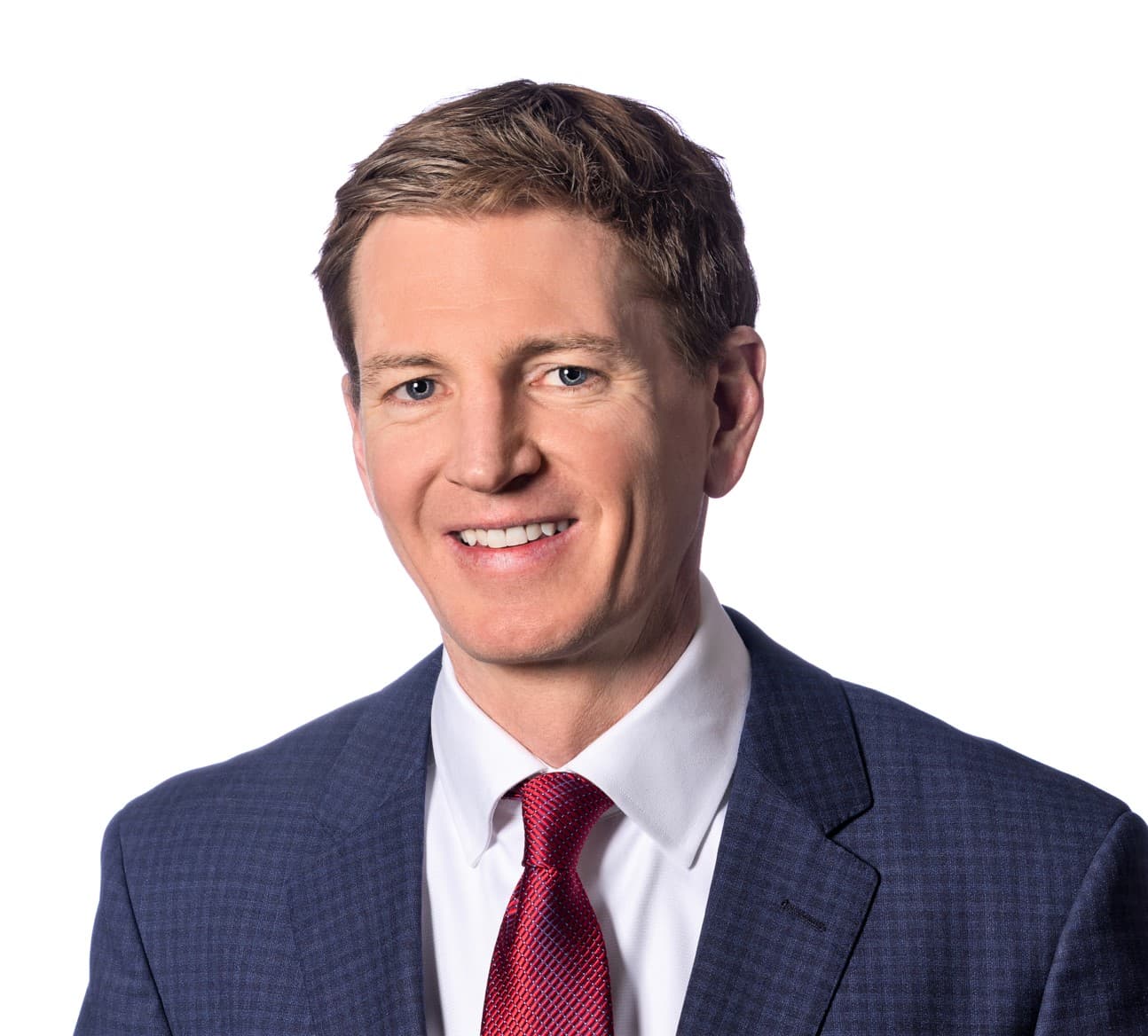
Rob Gillis
Senior Vice President, Portfolio Manager, Realty Income
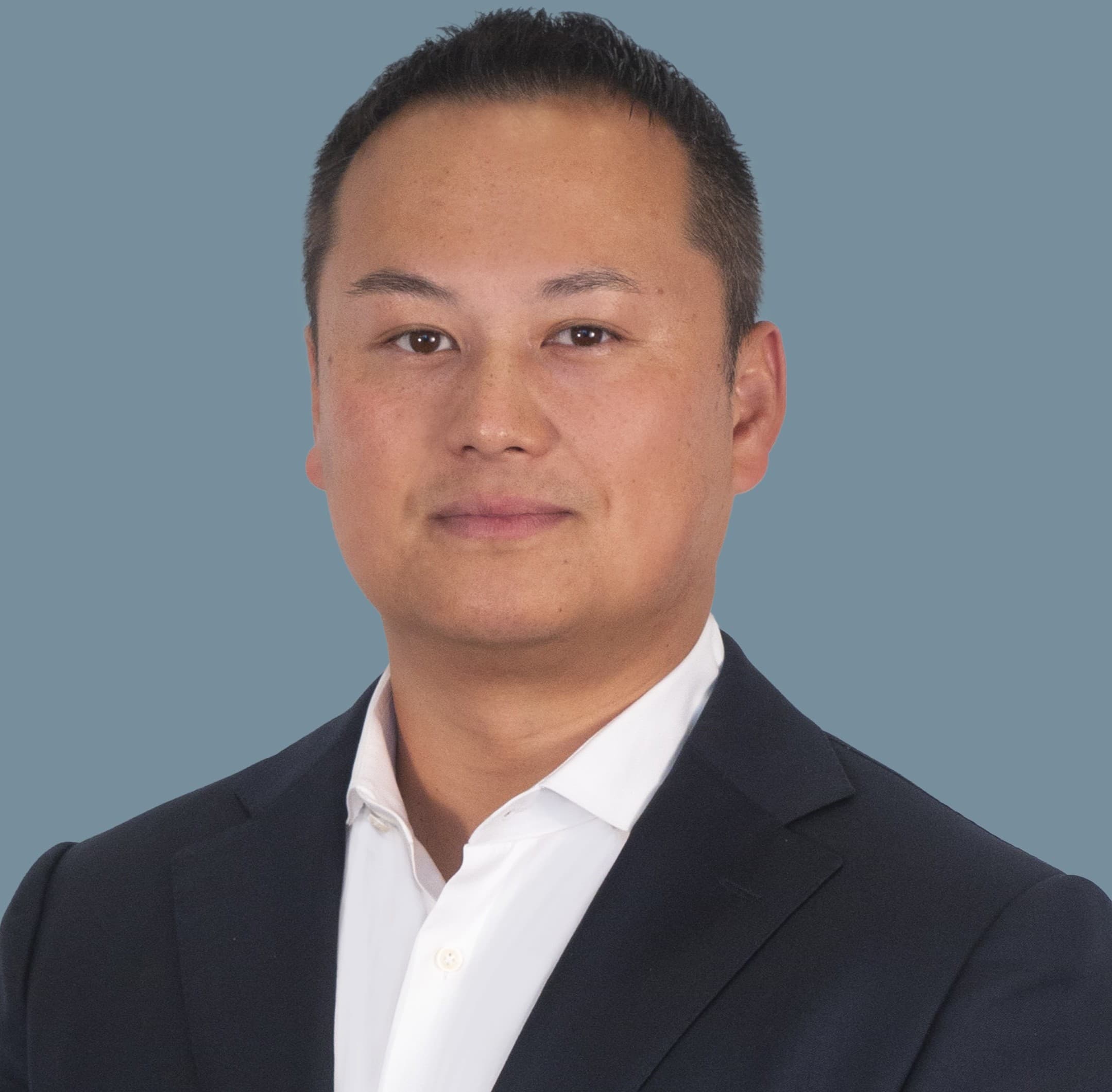
Michael Yang
Managing Director - Fund Management, Digital Realty

Robby Tandjung
EVP, Global Head, Valuation Advisory, Altus Group
Key highlights:
Altus Group recently brought together senior leaders from Digital Realty, Realty Income, and Kayne Anderson for a candid conversation on what's working in CRE fundraising right now.
Capital is flowing again, but it's concentrating at the top - LP scrutiny around strategy execution, income durability, and operating depth has intensified significantly over the past year.
Investors are moving past broad sector exposure: They want managers who go deep, not wide, with specialized platforms and sector-specific track records.
AI is being used to strengthen investment conviction and portfolio monitoring, but the panelists were clear: it's an efficiency tool, not a substitute for judgment or physical real estate fundamentals.
Capital markets are showing signs of reopening, but the fundraising environment remains selective. Investors are no longer responding to broad thematic exposure alone. They are pressing managers on strategy execution, governance, performance, operating depth, income durability and the ability to navigate uncertainty.
That was the central message from our recent webinar, which brought together senior leaders from Digital Realty, Realty Income and Kayne Anderson to discuss what is gaining traction with investors and what fund managers need to prove in today’s market. The discussion pointed to seven practical lessons for managers raising capital now.
1. Lead with durable income, not just appreciation potential
Across the discussion, the strongest fundraising message was the renewed investor focus on income. Investors are seeking predictable cash flows that continue to perform in all parts of the real estate cycle, particularly as capital market assumptions deviate.
Kyle Mayes of Kayne Anderson put it plainly: "Since inception of the NPI-ODCE in 1978, more than 90% of unlevered property returns within ODCE funds have come from income. I love appreciation just like everyone else on this call. But over the long haul, through market cycles, income is really what determines who's going to win on a total return basis."
Rob Gillis of Realty Income emphasized a similar point in net lease: long-duration leases, tenant credit, contractual rent escalators, tenant-borne operating expenses and lighter capital expenditure needs can combine to create a stable income stream that grows over time. As Gillis put it, "Many investors are attracted to predictable cash flows that don't rely on outsize growth (assumptions), and that's what net lease tends to offer."
Lesson for managers: In a selective market, fundraising materials need to explain the source, reliability and growth profile of income. Appreciation upside may still matter, but it is not enough on its own.
2. Prove specialization with operating depth
Investors are looking beyond sector labels. In alternatives, many strategies are operationally intensive, and investors want to understand how managers execute within a specific subtype. The panelists repeatedly pointed to track record, operating platform, sector-specific knowledge and the deep understanding of their asset class.
Mayes was direct: "Investors are looking for firms that go deep in a few things rather than shallow across many." For example, with data centers, Michael Yang of Digital Realty noted that "our sector in particular is not one where expertise can be manufactured overnight. The depth and complexity of the data center business necessitates cycle-tested operating experience." Another example was medical outpatient buildings. Mayes emphasized the importance of understanding the healthcare system, patient demand and long-term use within a submarket, not simply underwriting a building.
Lesson for managers: Investors need evidence of execution capability. Managers should show how their platform creates an underwriting, sourcing or operating advantage that a generalist cannot quickly replicate.
3. Answer the “why now” question with valuation, timing and capital flows
The investor conversation has shifted. As Mayes framed it, "For us, it's recently really pivoted from why alternatives to why now. There's a focus on valuations, timing and the movement of capital into our sectors. Our view is right now it's still a very attractive entry point."
That creates both opportunity and pressure. Some alternative sectors are attracting new capital because demand drivers remain strong. But competition is increasing, and managers need to articulate why the current entry point is attractive before capital compresses the opportunity.
Lesson for managers: A strong fundraising narrative should connect secular demand to today's pricing, not rely on the sector's popularity. The question is not only whether the sector is attractive, but whether the timing and entry point support the return objective.
4. Treat constraints as underwriting issues, and sometimes as competitive advantages
Constraints are not automatically disqualifying. In data centers, power availability and the cost of securing capacity were described as major issues. Yang explained: "The power utilities around the country now require not just a survey in terms of request for power, but they require a letter of credit and sometimes guarantees that often times cost tens of millions if not more. And so that eliminates a lot of smaller, even mid-sized players."
For an established platform with scale, existing sites and operating relationships, the same constraint can become a competitive filter. The lesson applies more broadly: when a sector has barriers to execution, managers need to show whether they can absorb, manage or benefit from those barriers.
Lesson for managers: Do not minimize the risks investors already see. Explain the constraint clearly, show how it affects the opportunity set and demonstrate why the platform is positioned to execute where others may not.
5. Show how the portfolio is built to withstand uncertainty
Geopolitical uncertainty, trade disruption, inflation and higher interest rates have not removed the need for capital, but they have raised the bar for underwriting. The panelists did not describe wholesale strategy shifts. Instead, they emphasized portfolio construction designed for uncertainty.
Rob Gillis pointed to resilience at the tenant and industry level, diversification across industries, tenants and geographies, and active monitoring through asset and property management teams.
Mayes highlighted a portfolio structure that creates different ways to manage inflation and market change: "Many of our medical office leases are triple-net, so expense inflation passes through to tenants. The other portion, student housing and seniors housing, marks to market every year, so you get revenue upside to keep up with inflation.
Lesson for managers: Investors want to understand what happens when the macro environment moves dynamically from the base case. Managers should be explicit about diversification, lease structure, tenant selection, revenue repricing and monitoring processes.
6. Position competition as validation, but distinguish alpha from beta
Capital is moving into alternative sectors, but the panelists cautioned against treating all capital as equal. New entrants can validate a sector, but they can also create execution risk where operating intensity is underestimated.
Mayes described some new entrants as "tourists" that may not stay once they understand the demands: "There will also be a lot of what we call tourists, newer entrants that do not always understand the operational intensity in some alternative sectors. And when they do, they want to go home." He drew a clear line between being in the right sector and performing in it: "Most of our differentiation comes from outperforming within the same sectors as opposed to getting lucky being in the right sector at the right time."
Yang raised a related concern around "contagion" if inexperienced groups build assets that later underperform and affect perceptions of the broader sector. Gillis framed increased net lease competition as validation, while emphasizing that scale, relationships and execution become more important as more capital enters the market.
Lesson for managers: Sector beta may help open the investor conversation, but it does not close it. Managers need to demonstrate where alpha comes from inside the sector, through better execution, sourcing, relationships, underwriting or operations.
7. Use data and AI to strengthen conviction, not replace judgment
AI came through the discussion as an important tool, but not a substitute for the underlying fundamentals of real estate. Mayes was succinct: "We see AI primarily as an efficiency tool, not as a substitute for physical real estate." In healthcare and seniors housing, AI can support workflow, staffing, monitoring and decision-making, while the delivery of care remains physical.
Yang emphasized that data center demand extends well beyond AI: "Even if that demand falls a bit, we still see very robust, strong fundamentals in digital transformation in general. AI is certainly a boost. But if you remove AI, the fundamentals of cloud and enterprise still remain exceptionally strong."
Gillis described AI as part of a broader data strategy at Realty Income, using proprietary and external data through a predictive analytics platform to assess risk across both the portfolio and new investments. The platform, which predates the pandemic, feeds directly into the investment memo process alongside traditional analysis.
Lesson for managers: Investors will expect managers to use data more effectively. The credible position is not that AI replaces investment judgment, but that it improves risk assessment, portfolio monitoring, and decision quality.
The bottom line
Fundraising in a selective market is about sharper proof, not louder messaging. Investors are looking for managers that can explain why the strategy matters now, where income comes from, how the platform executes, how the portfolio holds up under stress and how data strengthens decision-making.
The implication is clear: sector exposure may get attention, but discipline, operating credibility and evidence-based execution are what selective investors are underwriting.

Access data-powered valuation advisory services
Leverage our market expertise, leading ARGUS technologies, and unique valuation datasets you need to drive asset performance and manage risk.
Want to be notified of our new and relevant CRE content, articles and events?
Disclaimer
This publication has been prepared for general guidance on matters of interest only and does not constitute professional advice or services of Altus Group, its affiliates and its related entities (collectively “Altus Group”). You should not act upon the information contained in this publication without obtaining specific professional advice.
A number of factors may influence the performance of the commercial real estate market, including regulatory conditions and economic factors such as interest rate fluctuations, inflation, changing investor sentiment, and shifts in tenant demand or occupancy trends. We strongly recommend that you consult with a qualified professional to assess how these and other market dynamics may impact your investment strategy, underwriting assumptions, asset valuations, and overall portfolio performance.
No representation or warranty (express or implied) is given as to the accuracy, completeness or reliability of the information contained in this publication, or the suitability of the information for a particular purpose. To the extent permitted by law, Altus Group does not accept or assume any liability, responsibility or duty of care for any consequences of you or anyone else acting, or refraining to act, in reliance on the information contained in this publication or for any decision based on it. The distribution of this publication to you does not create, extend or revive a client relationship between Altus Group and you or any other person or entity. This publication, or any part thereof, may not be reproduced or distributed in any form for any purpose without the express written consent of Altus Group.
Authors
Kyle Mayes
Senior Managing Director - Fund Management, KACORE, Kayne Anderson
Rob Gillis
Senior Vice President, Portfolio Manager, Realty Income
Michael Yang
Managing Director - Fund Management, Digital Realty
Robby Tandjung
EVP, Global Head, Valuation Advisory, Altus Group
Resources
Latest insights






Sep 10, 2026